


EPA Lowers Refrigerant Leak Repair Threshold to 15 lbs in 2026: What It Means for R-410A, HFC Systems, and the Future of HVAC
As of January 1, 2026, the EPA has reduced the refrigerant leak repair threshold from 50 pounds to 15 pounds for appliances containing regulated refrigerants. This change significantly expands the number of HVAC systems subject to federal leak inspection, reporting, and repair requirements.
For contractors, building owners, and facility managers, this is not a minor administrative update. It represents a substantial expansion of regulatory oversight under the Clean Air Act and aligns with broader HFC phasedown efforts under the AIM Act.
In this article, we break down:
- What changed
- Why the EPA made the change
- Which systems are now affected
- What this means for R-410A and other HFC refrigerants
- How it impacts equipment decisions moving forward
What Changed: 50 lbs to 15 lbs
Previously, EPA Section 608 leak repair regulations applied to comfort cooling and refrigeration systems containing 50 pounds or more of refrigerant.
Beginning January 1, 2026, that threshold has been reduced to 15 pounds.
This means:
- Systems with 15 lbs or more of refrigerant are now subject to leak rate calculations.
- Exceeding allowable leak rates triggers mandatory repair timelines.
- Documentation and recordkeeping requirements apply to more equipment than before.
- Owners must calculate annualized leak rates when refrigerant is added.
In short, equipment that previously fell below the regulatory radar is now fully regulated.
Why the EPA Reduced the Threshold
This change aligns with:
- The American Innovation and Manufacturing (AIM) Act
- Federal HFC phasedown goals
- U.S. commitments under the Kigali Amendment to the Montreal Protocol
HFC refrigerants such as:
- R-410A
- R-134a
- R-404A
- R-407C
- R-507
have high Global Warming Potential (GWP). While they do not deplete ozone, they contribute significantly to climate forcing.
R-410A, for example, has a GWP of approximately 2,088.
Reducing leak thresholds:
- Encourages faster leak detection
- Reduces refrigerant emissions
- Drives transition toward lower-GWP alternatives such as:
-
- R-454B
- R-32
- R-452B
What Equipment Is Now Affected?
Under the new 15-lb threshold, many systems that were previously exempt are now covered.
Commercial Rooftop Units (RTUs)
A 5-ton to 10-ton rooftop unit often contains 12–20 lbs of refrigerant. Many units now fall within regulatory scope.
Multi-Zone Mini Split Systems
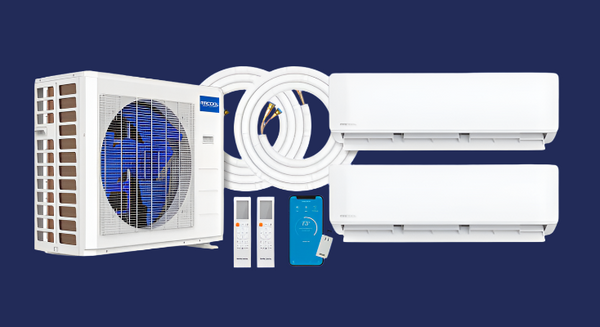
Larger multi-zone systems (3–5 zone systems) can exceed 15 lbs of total charge depending on line set length and configuration.
VRF / VRV Systems
Variable refrigerant flow systems from brands such as:
- Daikin
- Mitsubishi Electric
- LG
- Fujitsu
- Carrier
- Trane
often exceed the 15-lb threshold significantly and are already heavily regulated. However, the reduced threshold increases scrutiny of smaller configurations.
Supermarket and Refrigeration Systems
These systems were already regulated under the 50-lb threshold. The change now captures smaller refrigeration equipment that previously fell below compliance levels.
Real-World Example
A small commercial office building with a 7.5-ton R-410A rooftop unit containing 18 lbs of refrigerant would previously not have been subject to leak repair regulations.
Under the new 15-lb threshold:
- If refrigerant is added, leak rate calculations must be performed.
- If leak rate exceeds the allowable percentage, repair timelines apply.
- Records must be maintained for EPA compliance.
This adds administrative and operational responsibilities for building owners who may not have dealt with them before.
Does This Ban R-410A?
No.
R-410A is not banned as of 2026.
However:
- Production of high-GWP HFCs is being phased down under the AIM Act.
- Equipment manufacturers are transitioning toward lower-GWP refrigerants.
- Regulatory pressure increases compliance costs over time.
Major manufacturers including:
- Carrier
- Trane
- Lennox
- Goodman
- Daikin
- Mitsubishi
- Bosch
- MRCOOL
are introducing or expanding equipment lines using lower-GWP refrigerants such as R-454B and R-32.
R-410A vs R-454B: What’s Driving the Shift?
| Refrigerant | GWP | Classification |
|---|---|---|
| R-410A | ~2,088 | A1 (non-flammable) |
| R-454B | ~466 | A2L (mildly flammable) |
| R-32 | ~675 | A2L |
The EPA’s broader strategy is to reduce reliance on high-GWP refrigerants. Lowering the leak repair threshold increases the compliance burden of maintaining high-GWP systems.
While R-410A systems remain serviceable and legal, the industry trend clearly favors lower-GWP alternatives.
What This Means for Contractors
More compliance responsibility
Smaller systems now require leak tracking.
Increased service documentation
Accurate refrigerant charge tracking becomes critical.
Potential service revenue increase
More regulated equipment may mean more scheduled inspections and documented repairs.
Customer education opportunities
Building owners may not be aware of new obligations.
What This Means for Building Owners
If you operate equipment exceeding 15 lbs of refrigerant:
- Confirm total system charge.
- Ensure your HVAC provider understands leak rate calculation requirements.
- Maintain service records.
- Budget for potential compliance-driven repairs.
Ignoring leak repair thresholds can result in penalties under the Clean Air Act.
What About DIY and Residential Systems?
Most residential single-zone mini splits contain well under 15 lbs of refrigerant and are not affected by this change.
However:
- Multi-zone systems with extended line sets may approach or exceed 15 lbs.
- The long-term industry trend toward lower-GWP refrigerants continues.
Homeowners considering new systems may begin evaluating:
- R-410A systems (currently widely available)
- R-454B systems (emerging next-generation equipment)
The Bigger Picture: The HFC Phasedown
The 15-lb threshold reduction is one part of a larger refrigerant transition:
- Gradual HFC production reduction
- Lower-GWP refrigerant adoption
- A2L safety standard integration
- Building code updates nationwide
This is not a sudden elimination of R-410A. It is a regulatory tightening process designed to reduce emissions over time.
Planning Ahead
For contractors:
- Review customer equipment inventories.
- Identify systems exceeding 15 lbs.
- Update service documentation procedures.
For facility managers:
- Confirm refrigerant charge volumes.
- Ensure compliance awareness.
- Discuss transition planning with HVAC providers.
For those purchasing new equipment:
- Understand refrigerant type.
- Evaluate long-term availability.
- Consider regulatory trajectory.
Final Thoughts
The reduction of the leak repair threshold from 50 lbs to 15 lbs significantly expands EPA oversight of HVAC systems using HFC refrigerants such as R-410A.
While this does not eliminate R-410A, it reinforces the broader regulatory shift toward lower-GWP refrigerants like R-454B and R-32.
The HVAC industry is entering a transitional period defined by:
- Regulatory tightening
- Refrigerant innovation
- Compliance awareness
- Strategic equipment planning
Understanding these changes early allows contractors, facility managers, and system owners to stay ahead rather than react later.