

Mini Split & Heat Pump Replacement Parts
Shop genuine MRCOOL replacement parts for DIY mini splits, multi-zone systems, heat pumps, and central ducted units. Find OEM control boards, fan motors, blower wheels, sensors, condenser fans, remotes, and other repair parts backed by expert support from MRCOOL DIY Direct.


Electronic Control Box Subassembly for MrCool Heat Pump Condenser A-24-HP-C-230B

DIY Condenser or Air Handler Line Set Adapters for 24k or 36k...

Genuine MRCOOL Cross Flow Fan (94X792) – Replacement Fan for DIY &...

Not sure what system you need?
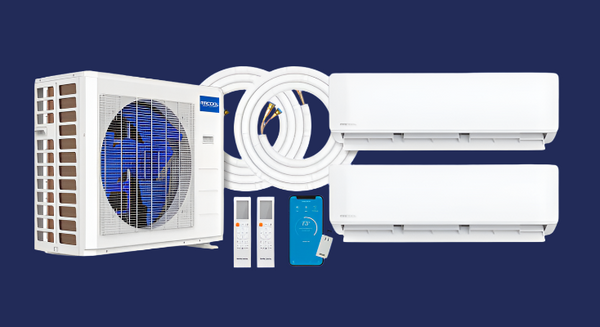
Use our system builder to get the exact MRCOOL DIY setup for your space.
Build Your System →
Axial Flow Fan for MrCool DIY-18-HP-C-230B Ductless Heat Pump Condenser

Genuine MRCOOL Air Handler Blower Motor – Replacement Part for DIY-18-WMAH-HP-230A Wall-Mounted...

OEM Cross Flow Fan – Compatible with MRCOOL DIY-18-HP-WMAH-230A (1st Gen 18K...

MRCOOL Electronic Control Box Subassembly Control Board DIY-18-HP-230A / AE

Cross Flow Fan for MRCOOL Ductless Wall-Mounted Air Handler – DIY &...

Brushless DC Motor for MrCool Central Air Handler Universal Series

MRCOOL Cross Flow Fan Bearing Assembly for Wall-Mounted Mini Split Air Handlers

Crossflow Fan for MRCOOL Wall Mounted Air Handler Model DIY-24-HP-WMAH-230C25 and Advantage...

Electronic Control Box Subassembly Control Board for (DIY-18-HP-C-230C25 ; CENTRAL-18-HP-C-230-25) Condenser

Brushless DC Motor for MrCool Ductless Heat Pump Condensers A Series 18k...

Blower Motor for MRCOOL Wall Mount Air Handler: DIY-12-WMAH-HP-115A, DIY-12-WMAH-HP-115AE, DIY-12-HP-WMAH-115B and...

Genuine MRCOOL Replacement Axial Flow Fan for DIY-12-HP-C-115C25 Outdoor Condenser

DC Condenser Fan Motor MrCool 150104060013 for MDOU18024036

MrCool Smart HVAC Controller Enhanced WiFi Kit for Ductless Split System PN:...

Axial Flow Fan for MRCOOL Outside Condenser A-18-HP-C-230B

Electronic Control Box Subassembly for MrCool DIY-36-HP-WMAH-230B Wall Mounted Air Handler

MRCOOL Discharge Temperature Sensor for DIY-MULTI3-27HP230 11201007003124
HVAC Parts Buying Guide
How to Choose the Right HVAC Replacement Parts
Finding the right HVAC replacement part doesn’t have to be complicated. Whether you’re replacing a fan motor, control board, sensor, or blower wheel, understanding compatibility and common failure points can help you get your system back up and running quickly.
HVAC Parts Buying Guide
Choosing the correct HVAC replacement part starts with identifying your system type and the specific component that needs replacement. Common parts include condenser fan motors, blower wheels, control boards, thermistors, pressure switches, and sensors—each playing a critical role in system performance.
If your system isn’t running properly, symptoms like weak airflow, unusual noise, or inconsistent temperatures often point to specific components such as a failing fan motor, damaged blower wheel, or faulty control board. Replacing the right part restores efficiency and prevents further system damage.
When selecting parts, always check:
- Model compatibility
- Voltage and sizing requirements
- Connector types and wiring configuration
- OEM vs aftermarket specifications
Using the correct replacement part ensures proper operation, extends system lifespan, and avoids costly repeat repairs.
HVAC Replacement Parts FAQ
What are the most common HVAC parts that need replacement?
The most commonly replaced HVAC parts include condenser fan motors, blower wheels, control boards, sensors, and thermistors. These components handle airflow, system control, and temperature regulation, and they naturally wear out over time due to heat, electrical stress, and continuous operation.
Signs You Need HVAC Replacement Parts
- Weak or uneven airflow
- System not cooling or heating properly
- Unusual noises from indoor or outdoor units
- System short cycling or not turning on
- Error codes or flashing lights
What causes weak airflow in an HVAC system?
Weak airflow is typically caused by a dirty or damaged blower wheel, failing fan motor, or airflow restrictions. If your system is running but not pushing enough air through the vents, inspecting the blower assembly or crossflow fan is a good place to start.
How do I know if my condenser fan motor is bad?
A failing condenser fan motor often causes the outdoor unit to overheat or stop exhausting heat properly. You may notice the fan not spinning, running intermittently, or making unusual noises. If the system shuts down frequently or struggles to cool, the fan motor or blade may need replacement.
When should a control board be replaced?
Control boards should be replaced when the system becomes unresponsive, cycles erratically, or fails to start. Power surges, age, and electrical issues are common causes of control board failure. If multiple system functions stop working at once, the control board is often the source.
Can I replace HVAC parts myself?
Some HVAC parts like sensors, fan motors, and control boards can be replaced by experienced DIYers, especially in systems designed for easier access. However, it’s important to confirm compatibility and follow proper safety procedures before installing any replacement part.
How do I find the right replacement part for my system?
Start by locating your system’s model number and matching it to the correct replacement part. Compatibility is critical, as voltage, size, and connector types can vary. Choosing OEM or OEM-compatible parts ensures proper fit and performance.
How do I know if an HVAC sensor is bad?
A faulty sensor can cause incorrect temperature readings, inconsistent cooling or heating, or frequent system cycling. If your system turns on and off too often or doesn’t match the set temperature, a sensor or thermistor may need to be replaced.
What do HVAC sensors and thermistors do?
Sensors and thermistors monitor temperature and send signals to the system to regulate operation. When these components fail, the system may short cycle, run inefficiently, or fail to maintain the correct temperature.
HVAC Parts Compatibility Tips
Before purchasing, confirm your system model number and match it with the correct replacement part. Using incompatible parts can lead to improper operation or damage. If unsure, choosing OEM-compatible components ensures the best fit and performance.