
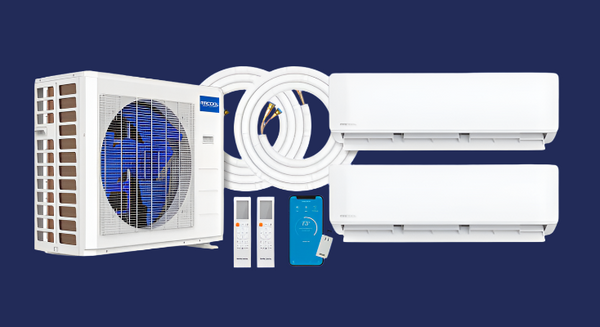

Quick answer: DIY HVAC installation can significantly reduce labor costs when using properly engineered, pre-charged systems. Professional installation is still the right move in complex layouts, duct redesigns, electrical upgrades, or when local codes require licensed work.
The Biggest Difference: Labor Cost
In traditional HVAC replacement, a large portion of total cost comes from labor. Equipment may represent only part of the invoice — installation, duct modifications, refrigerant charging, and electrical work often make up the rest.
DIY-friendly systems reduce or eliminate refrigerant handling and simplify connections, which can lower overall installed cost when homeowners are comfortable handling mounting, routing, and electrical setup.
When DIY Installation Makes Sense
- You are installing a pre-engineered, pre-charged system
- You are comfortable mounting indoor and outdoor units
- You can follow manufacturer instructions carefully
- Your project does not require major duct redesign
- Your local code allows homeowner installation
DIY-friendly mini split systems are especially practical for garages, additions, workshops, and room-by-room upgrades.
When You Should Hire a Professional
- Full central duct redesign or resizing
- Complex multi-zone layouts requiring load calculations
- Panel upgrades or significant electrical modifications
- Local permit requirements for licensed installation
- Large homes where full Manual J load analysis is critical
Hiring a contractor is not “better” — it’s simply appropriate when system complexity increases.
Cost Comparison: DIY vs Professional
Installed pricing varies by region, but in many markets:
- Professional installation includes labor, refrigerant charging, permitting, and warranty-backed workmanship.
- DIY installation can eliminate a large portion of labor costs when using systems designed for simplified setup.
The key is not “DIY everything” — it’s choosing a system engineered for homeowner install where appropriate.
Warranty Considerations
Modern DIY-friendly systems are designed to maintain manufacturer warranty coverage when installed according to instructions. Always verify:
- Registration requirements
- Electrical code compliance
- Mounting and clearances
- Proper torque and connection procedures
Risk vs Reward
DIY reduces cost but increases personal responsibility. Professional installation increases upfront expense but transfers complexity and liability.
The right decision depends on project scope, your comfort level, and whether the system is built for simplified installation.
Best Fit Scenarios
DIY Is Often Best For:
- Single-zone mini splits
- Garages and additions
- Workshop conditioning
- Room-by-room zoning upgrades
Professional Install Is Often Best For:
- Whole-home ducted system replacement
- Major electrical upgrades
- Multi-story load balancing
- Permit-heavy jurisdictions
How to Decide
Ask yourself:
- Is this system designed specifically for simplified installation?
- Am I comfortable handling mounting, routing, and electrical connections?
- Does my project require duct redesign or advanced load calculations?
If the project is straightforward and the equipment is engineered for DIY, installation may be more accessible than many homeowners assume.
Explore options:
DIY HVAC FAQ
Can I legally install my own HVAC system?
In many areas, homeowners can install their own systems, but electrical and permit requirements vary by jurisdiction.
Do DIY systems void warranty?
When installed according to manufacturer guidelines and registered properly, m
Ready to shop systems?
Browse DIY-friendly systems with real HVAC support behind the sale.